Complicated Grief Explained: Causes, Signs, and Support
Complicated grief is a deep, persistent form of mourning that doesn’t ease with time in the way many people expect. While grief is a natural response to loss, complicated grief can leave someone feeling stuck in intense sorrow, longing, or even numbness for months or years. It can affect daily life, relationships, and a sense of identity.
In this blog, we’ll explore what complicated grief is, how to recognize it, and what healing can look like for those carrying this heavy, often misunderstood pain.
What Makes Grief Complicated?
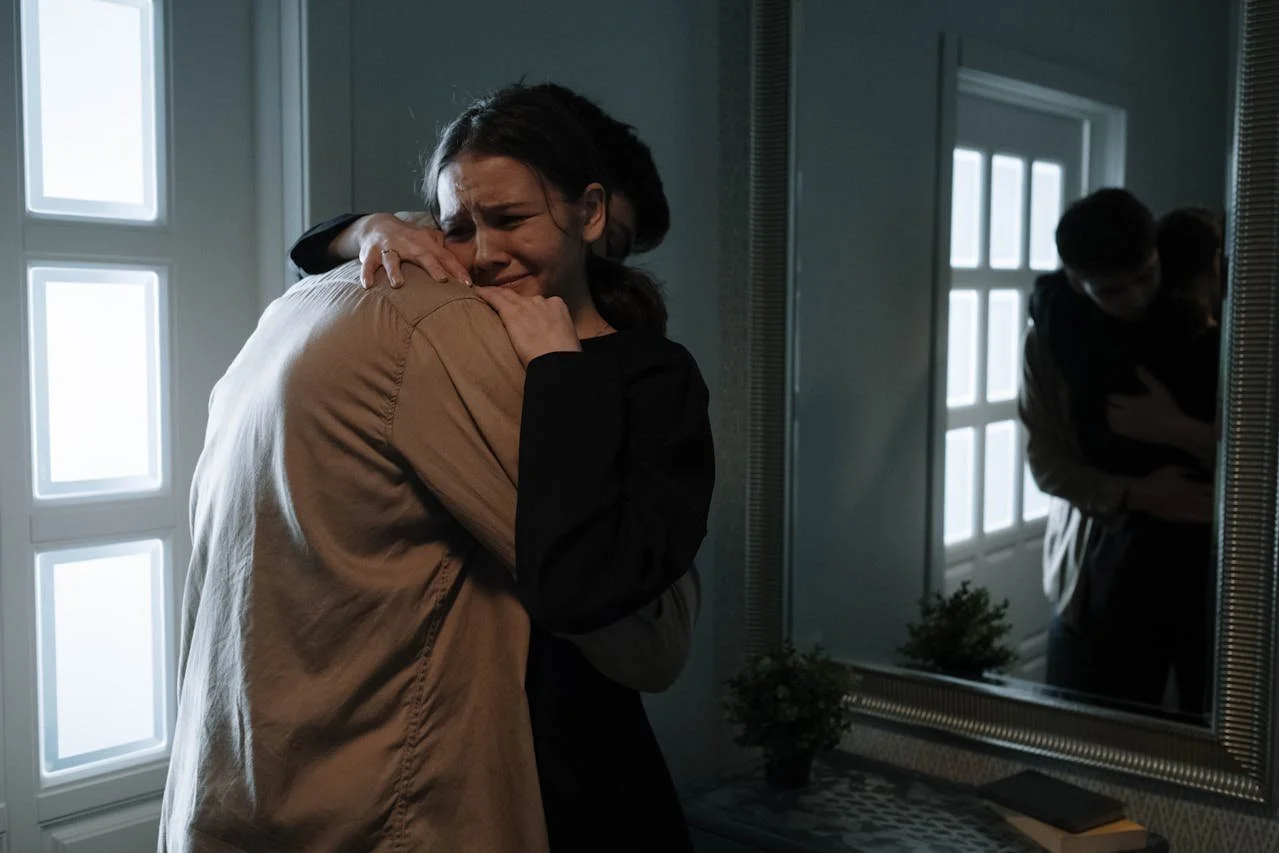
Complicated grief, also called prolonged grief disorder, occurs when the natural mourning process becomes stuck. Unlike typical grief that lessens over months, this condition creates overwhelming yearning and preoccupation with the deceased that persists well beyond expected timeframes. The intensity doesn't decrease as expected, and the bereaved person struggles to accept the reality of their loss.
This type of grief disrupts your ability to function at work, in relationships, and in your daily activities. You might find yourself unable to engage in activities you once enjoyed or to maintain important connections with friends and family. The grief feels raw months or years later, just as it did immediately after the loss.
Common Causes of Complicated Grief
Several factors can contribute to the development of prolonged grief disorder. The circumstances surrounding a death often play a significant role in how grief unfolds.
Sudden or traumatic losses frequently lead to complicated bereavement. When death occurs unexpectedly through accidents, violence, or suicide, the shock makes acceptance particularly difficult. The lack of time to prepare emotionally only compounds the trauma.
Dependent or conflicted relationships create additional complications. If you relied heavily on the deceased for emotional or practical support, their absence may feel impossible to navigate. Similarly, unresolved conflicts or ambivalent feelings toward the person can make grief more complex and difficult to process.
Multiple losses occurring close together can overwhelm your coping capacity. When grief piles upon grief without adequate time for processing, the burden becomes increasingly difficult to bear.
Recognizing Signs of Complicated Grief
It’s important to notice when the initial shock of loss transitions into a long-term, immobilizing weight. Everyone experiences grief differently, but there are common signs that professional support is needed.
Intense Yearning and Focus: You may feel a constant, painful longing or find yourself preoccupied with the details of the death. This often manifests as intrusive thoughts that disrupt your focus on daily tasks.
Avoidance and Proximity: Some people distance themselves from triggers, while others cling to belongings in a way that prevents any change. Both patterns often serve as a shield against the reality of the loss.
Emotional Disconnection: A sense of numbness or feeling that life no longer holds meaning is common. You might feel a profound detachment from others, or as if your own identity has been stripped away.
Recognizing these patterns helps clarify why moving forward feels so difficult. And why it’s important to do so.
Professional Support Can Help
Therapy for prolonged grief disorder specifically addresses the unique challenges of complicated bereavement through evidence-based approaches. This often includes techniques to help you process the loss while gradually rebuilding engagement with your life. Treatment typically focuses on accepting the reality of death while working through the emotional pain. This can be done as you find ways to maintain a connection with the deceased moving forward.
Support groups also provide a valuable connection with others who understand the depth of complicated mourning. Sharing experiences with people facing similar struggles reduces isolation and can offer practical coping strategies.
Professional guidance helps identify whether additional concerns like depression or anxiety require attention alongside grief work. An integrated treatment approach addresses all aspects of your emotional well-being.
If you're struggling, reach out to us for therapy for complicated grief. With understanding, support, and the right resources, healing is possible.