How ADHD Disrupts Sleep and What You Can Do
ADHD and sleep problems are deeply intertwined, creating a challenging cycle for both children and adults. Research shows that up to 70% of people with ADHD experience some form of sleep difficulty. That means the "just go to bed earlier" advice isn't just unhelpful: it's scientifically flawed. It’s time to trade the frustration for a smarter approach to rest.
The ADHD Sleep Cycle
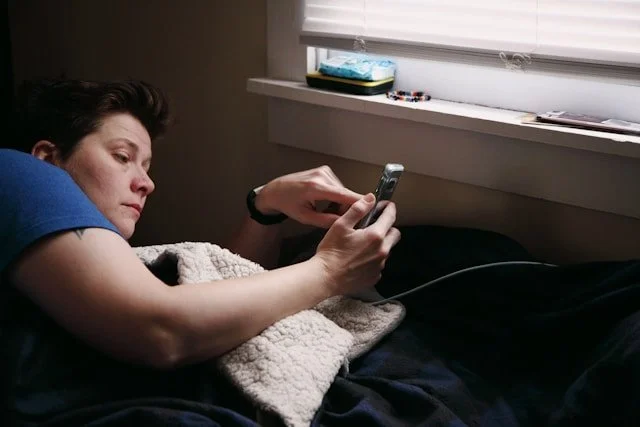
For the ADHD brain, sleep is a biological tug-of-war. It’s a high-stakes trade-off: ADHD makes it hard to sleep, and a lack of sleep makes ADHD harder to manage. You aren't just tired; you're caught in a feedback loop that hacks your focus, mood, and patience.
The Circadian Shift: It comes down to a timing issue. Many people with ADHD live with a delayed circadian rhythm. While the rest of the world follows a standard 10:00 PM internal clock, your body’s natural "sleep signal" might not fire until 1:00 or 2:00 AM. When society demands you be at a desk by 8:00 AM, you aren't just "not a morning person," you’re living in a permanent state of jet lag.
The “Busy Brain” Barrier: Even when you’re tired, your mind often hits its second wind at bedtime. The silence of a dark room acts like a megaphone for every idea or random thought you didn't have time for during the day.
Late-night scrolling or "one more episode" is more than just a bad habit. It’s an involuntary search for the dopamine your brain is depleted of by the end of the day.
Common Sleep Problems in ADHD
People with ADHD experience several specific issues. Sleep-onset insomnia (difficulty falling asleep) is one of the most common complaints. Many report lying awake for an hour or more before finally drifting off.
Restless sleep and frequent waking throughout the night are also typical. Some people toss and turn constantly or wake up multiple times, never reaching the restorative stages of deep sleep.
Sleep disorders occur at higher rates in people with ADHD. Restless leg syndrome and sleep apnea are also more common and can significantly worsen ADHD symptoms.
The Impact of Poor Sleep
When ADHD and sleep problems combine, the effects are multiplied. Lack of sleep makes it harder to focus and remember information. Executive functions like planning and organization become even more challenging. Emotional regulation suffers, leading to increased irritability and mood swings.
For children with ADHD, poor sleep can look like hyperactivity rather than tiredness. They may become more physically active and have more trouble sitting still when they're actually sleep-deprived.
Strategies to Improve Sleep
Several evidence-based approaches can help improve sleep quality.
Creating a consistent bedtime routine signals to your brain when it's time to wind down. This routine should start 30-60 minutes before you want to be asleep and include calming activities.
Screen time before bed can significantly disrupt sleep. The blue light from devices interferes with melatonin production, the hormone that helps you feel sleepy. Turn off all screens at least one hour before bedtime. If this feels impossible at first, start with 30 minutes and gradually increase.
Being active during the day aids in burning energy and leads to sound sleep. However, avoid intense exercise within three hours of bedtime, as it can be too stimulating.
Your bedroom environment matters more than you might think. Keep it cool, dark, and quiet. Consider blackout curtains or white noise machines if needed. Your bed should be used only for sleep, not gaming or watching videos.
Tired of Being Tired?
If you’ve tried every sleep hack in the book and you’re still staring at the ceiling, then your brain needs a different strategy. This is where professional support comes in.
Whether it's identifying a specific sleep disorder or building a neuro-friendly rest plan, we’re here to help. Contact us to see how we approach ADHD therapy and finally get your nights back on track.